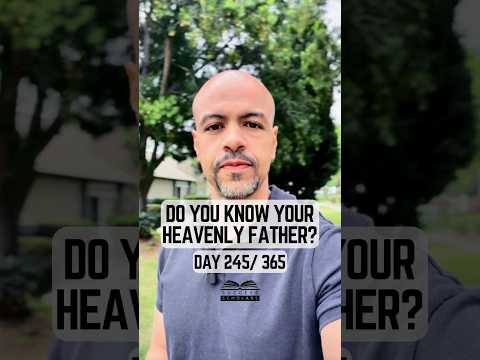
Discover what it means to have a heavenly father when you're fatherless. Real talk on faith, belonging, and finding your path forward.
A lot of you never had a dad around. Maybe he was there physically but checked out mentally. Or he left before you were old enough to remember him. Either way, you grew up without that anchor—that person who's supposed to show you how to be a man. So you learned to figure it out alone, and that's made you tough. But tough doesn't mean you don't need guidance. The idea of a heavenly father isn't about religion as much as it's about finally having someone who actually sees you and won't leave.
When we talk about having a heavenly father, we're talking about something deeper than Sunday service. Psalm 68:5 calls God "a father to the fatherless." That's not poetry to make you feel better—it's an invitation to stop carrying everything by yourself. You've been the man of your household since you were twelve. You've made decisions nobody should have to make alone. That weight doesn't just disappear because you're older now.
Here's the real part: a heavenly father shows up differently than the guy who was supposed to be there but wasn't. He doesn't make excuses. He doesn't choose his pride over your wellbeing. He doesn't ghost you when life gets messy. That consistency—that unwavering presence—is what your soul has been looking for. Not in a weak way. In the way that actually makes you stronger because you're not burned out trying to parent yourself anymore.
A lot of young men reject this idea because it feels like settling or like admitting you need help. That's the fatherlessness talking. Real strength isn't independence that isolates you—it's knowing when and where to draw power from. If you've got nothing but your own resources, you're already running on empty. You think you're building something, but you're just running on fumes and calling it discipline.
Taking this seriously starts small. It's not about becoming suddenly religious. It's about acknowledging that you don't have all the answers and you never did. When you face a decision—about your career, your relationships, your mental health—instead of just grinding through it alone, you ask for wisdom. You listen. You stay open to being guided instead of only driven.
The Success Scholars community is built on the idea that you don't have to figure this out in isolation. Part of that is connecting with other men who get it. But the deeper part is understanding that guidance—whether from mentors, community, or faith—isn't weakness. It's the foundation of actual growth.
Your move: this week, write down one area where you've been white-knuckling it alone. Then ask for help—from a real person or from prayer, whatever resonates with you. Just stop pretending you can do it all by yourself. You can't, and you were never supposed to.